


The kilim rug woven in culture. The story of the original handmade kilim.
Our kilim rug is a flat, hand-woven rug of Oriental origin, from the present-day region of Arabia/Persia. It is probably the earliest known form of rug art. The name Kilim is Turkish and comes from the Persian gelim (گلیم).
The main areas of origin are: Shiraz, Senné, and Bidzjar in Iran and Anatolia.
The special thing about the kilim weaving technique is that the patterns are usually the same on both sides, so there is no front or back. A kilim can be used as a floor or wall rug.. The most commonly used material for kilim patterns is wool, and cotton is used for the warp threads. The traditionally used colors are red, pink, ivory, blue, and green.
History of the kilim rug.
Just like pile rugs, kilim rugs have been produced since ancient times.
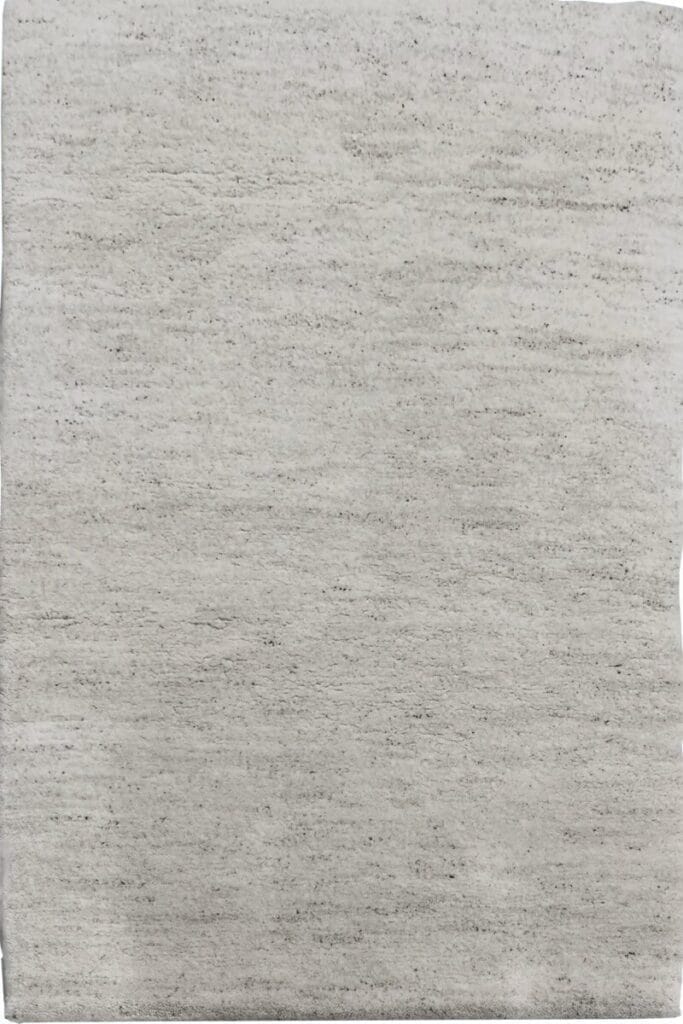
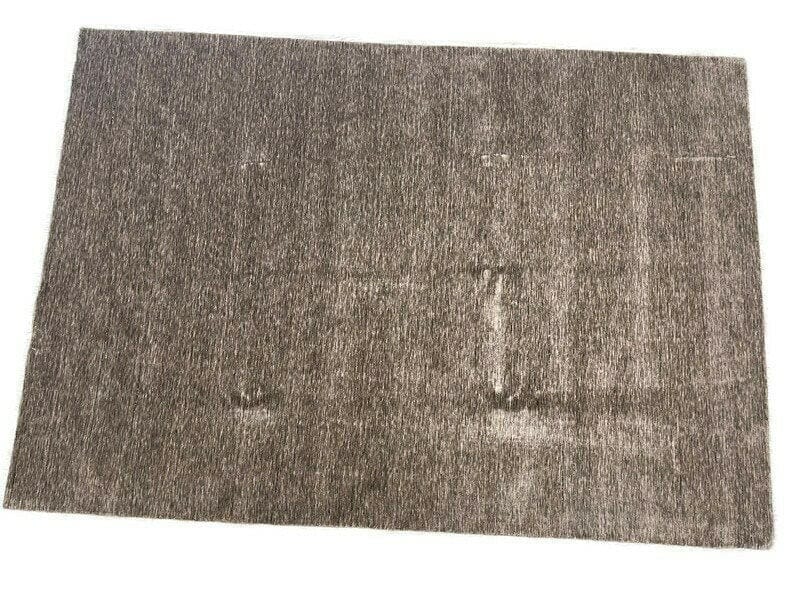
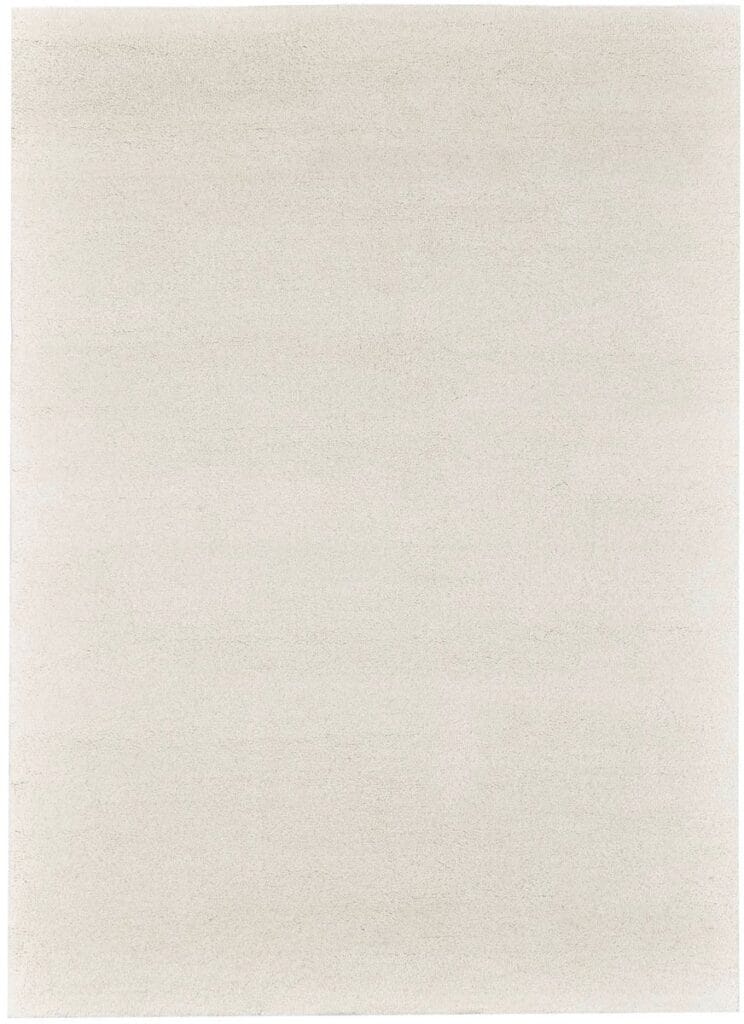
Handmade wool Kelim rug available in various sizes.
Weaving technique
Diagram of the kilim slit weaving technique, showing how the weft threads of each color are rewound from the color boundary, creating a slit.
Kilim fabrics are manufactured by closely interweaving the warp and weft threads of the fabric to create a flat, pileless surface. Kilim fabrics are rug fabrics, technically woven flat with weft faces, meaning that the horizontal weft threads are pulled tightly downwards to conceal the vertical warp threads.
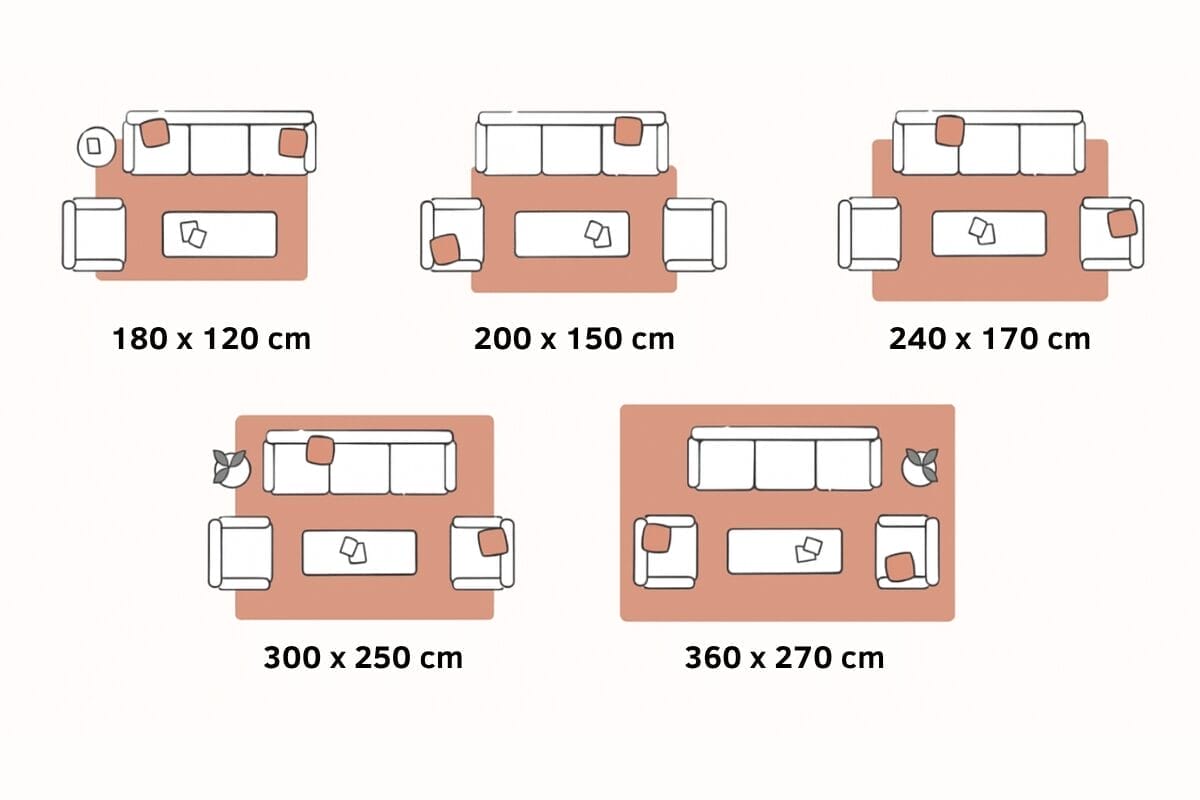
Kelim rug – four different sizes available 170x240cm, 200x250cm, 200x300cm and 250x300cm.
Please note: the rugs are handmade and are therefore never exactly the same size (for example, a rug is 242×177 instead of 240×170).