




Kelim vs Berber rug: what is the difference?
At first glance, Kilim and Berber rugs seem to belong on the same shelf. Both are handmade, both are made of…


Stories about craftsmanship, interior design and care. From choosing the right size to looking after your wool rug on a daily basis: here’s how to ensure you enjoy your hand-knotted rug for years to come.
At first glance, Kilim and Berber rugs seem to belong on the same shelf. Both are handmade, both are made of…

Buying a Kelim revolves around three decisions: which size fits the space, which color matches what you…
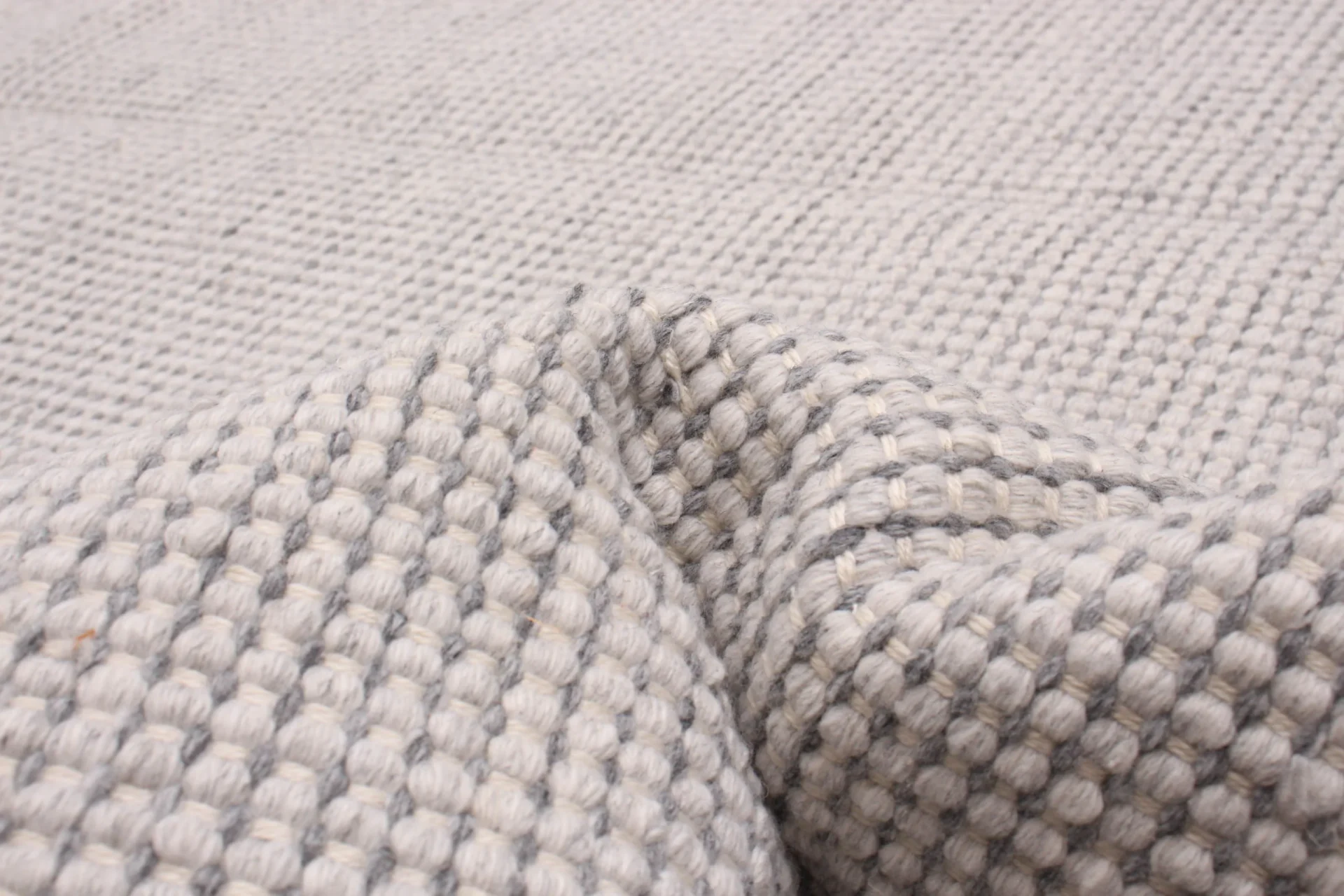
Prepare to be enchanted by the unique story and craftsmanship of a Kelim rug - a treasure…

A hand-knotted Berber rug takes months of work on a vertical loom in the Moroccan Atlas. A machine-made version rolls up in…

A Berber rug does not start in a store. It starts with a flock of sheep on a plateau in the Atlas,…

When choosing a Berber rug, sooner or later you arrive at the question of the material: wool,…

A hand-knotted Berber rug is not an impulse purchase. It is wool that is knotted by a weaver in the Moroccan Atlas for…
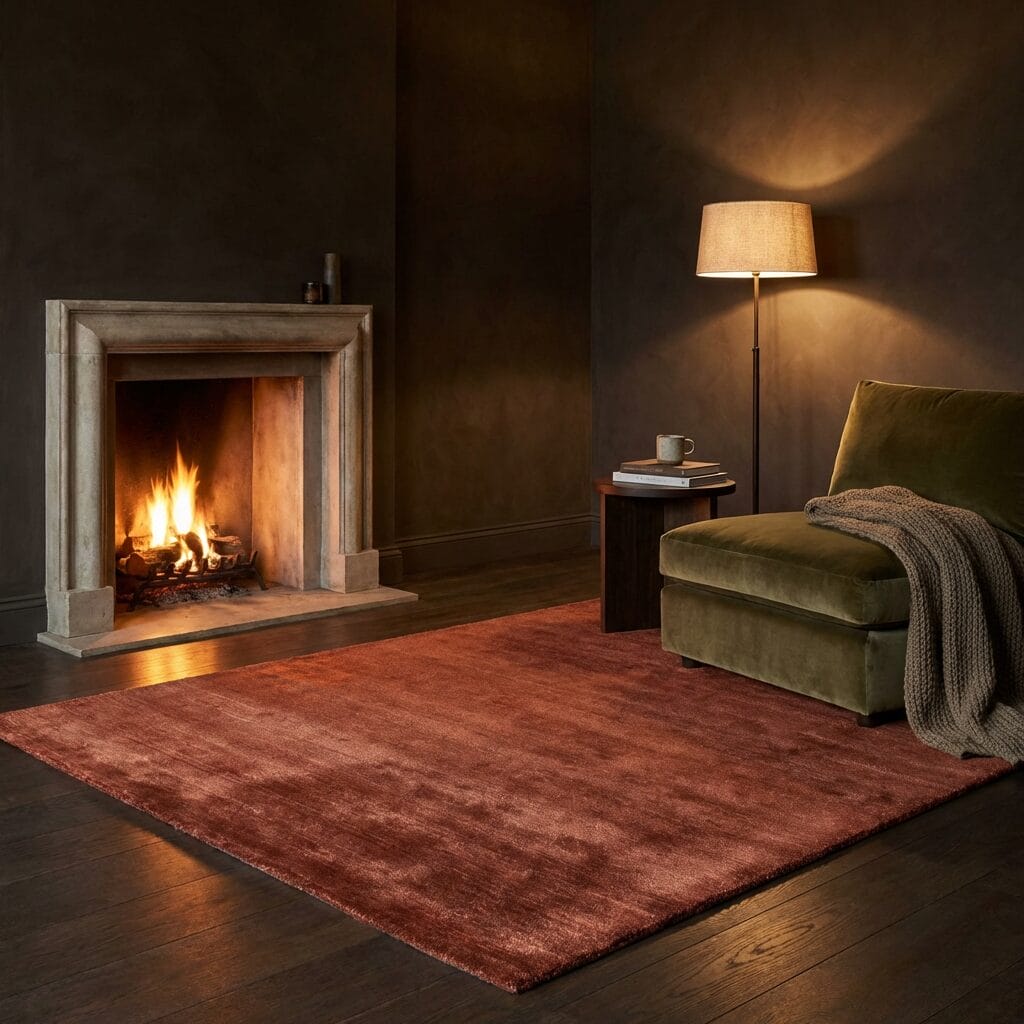
A rug measuring 200 by 300 centimeters contains on average between 250,000 and 400,000 individual knots. Each knot is…

The size of a Berber rug determines the visual balance in a room and the relationship between the rug and…

A Berber rug in the living room is a hand-knotted wool Amazigh rug used as a focal point in a living space,…

A Berber rug is not your typical interior design item. It is a handcrafted piece created without industrial precision, and that is precisely why every…

At first glance, a Berber rug often seems to be simply a matter of style. Soft, warm, minimalist or, conversely, richly patterned…
Early access to new collections. One email a month, no spam.
Your cart is empty.
Shop collection

Early access to new collections. One email a month, never spam.