EN
EN  NL
NL 




What is a kilim rug?
Do you want to change your interior and are you looking for a real eye-catcher in your living room? A beautiful rug gives your home a completely different look and creates a pleasant atmosphere in your home. Kilim rugs are a good example of this.
Kilim rugs
A kilim rug is based on the traditional oriental method of making rugs. They are hand-woven thin rugs without pile. Characteristic of these rugs is that they have different patterns, which also have their origins in the oriental world. Kelim is a Turkish name and comes from the Persian gelim (گلیم). The main areas of origin are: Shiraz, Senné and Bidzjar in Iran and Anatolia.
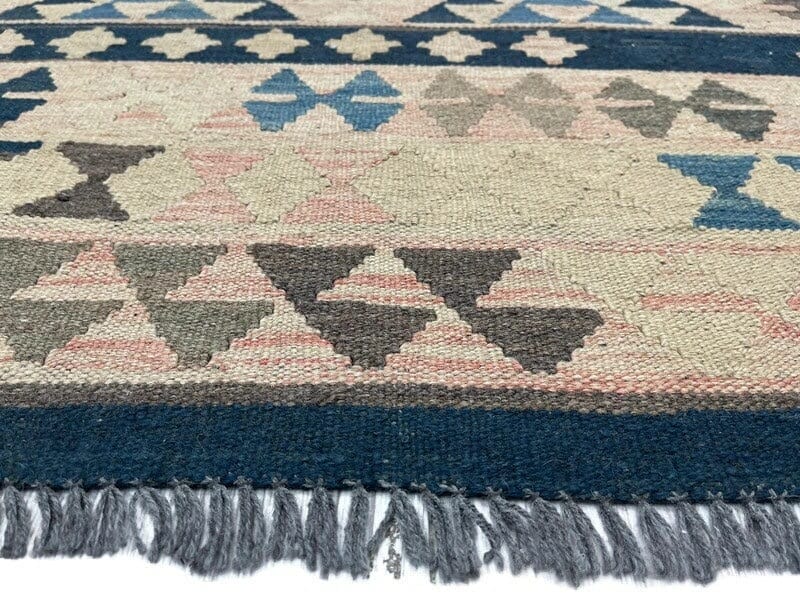
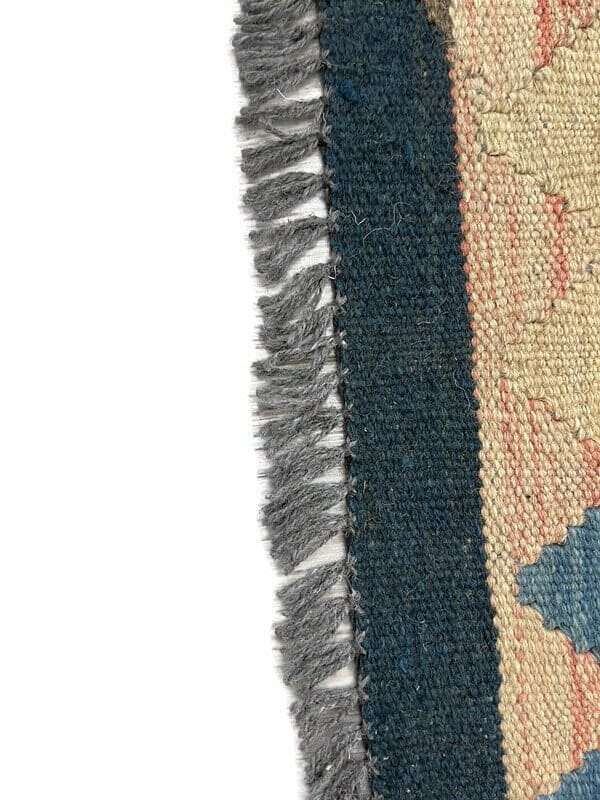
The rugs are woven on looms and the yarn is usually wool. This gives a very detailed and beautiful design. The rugs are about three millimeters thick and are light and easy to maintain.
Kelim: thin, light and easy to store
A great advantage of kilim rugs is that they have a summery look and are thin and light, making them easy to roll up and store.
You can place a kilim rug in your living room or under your dining table during the summer months, and then roll it up and replace it with another rug during the colder months.
A good example are kilim rugs, which are multifunctional. A kilim can be used as a floor or wall rug.
Different patterns in the kilim rugs
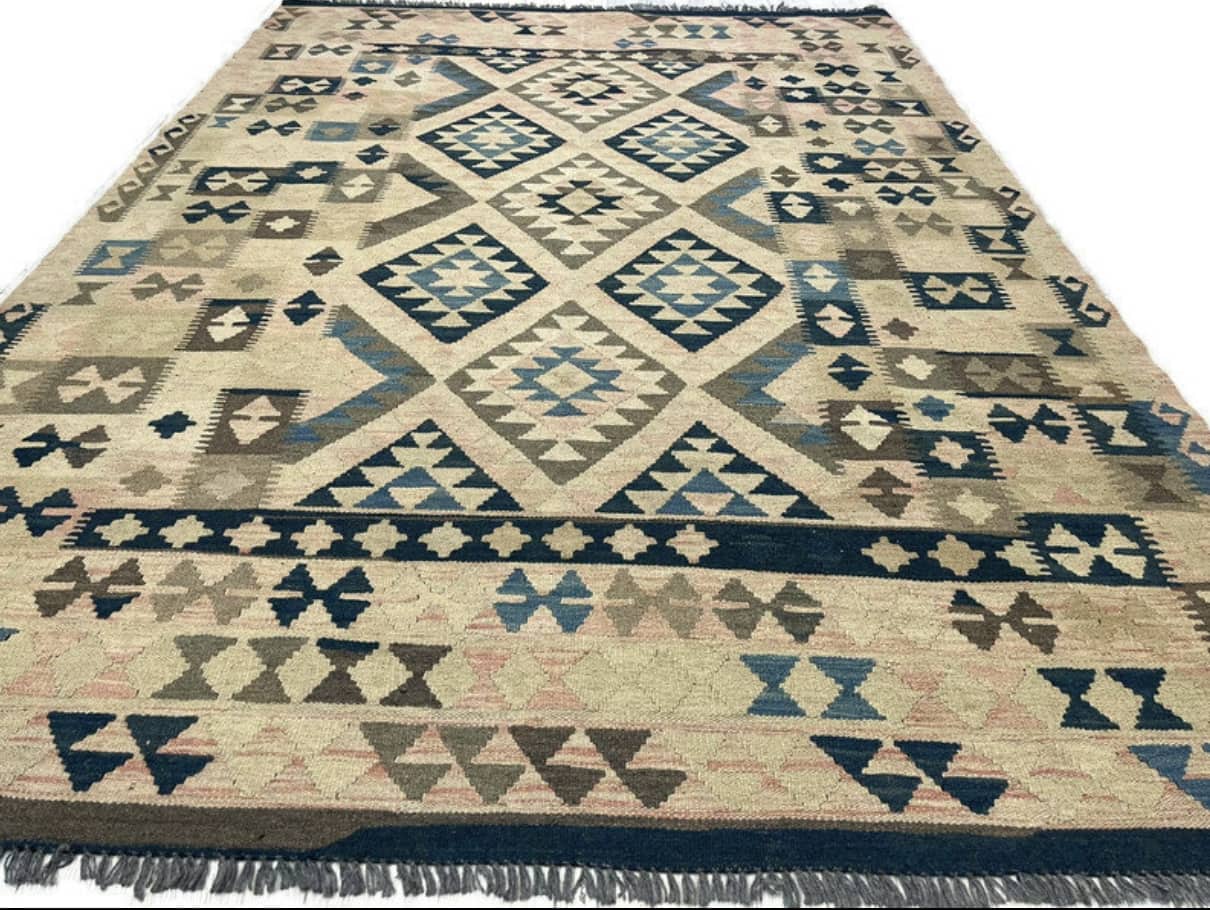
These kilims come in different patterns, colours and sizes. The early manufacturers of kilim rugs incorporated different figures and motifs into the rugs, which often had a deeper meaning. The contemporary kilim rugs are particularly beautiful to look at and are a real asset to your interior due to the different colours and patterns. For example, there are rugs with patchwork, where different pieces of rug are put together and each piece has a different pattern. The rugs are suitable for both a classic interior and for a more industrial look or a vintage interior.
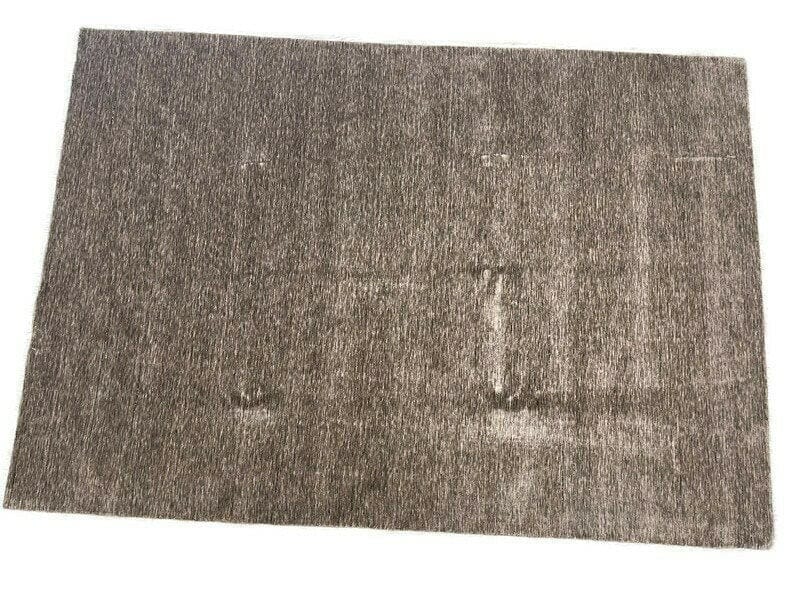
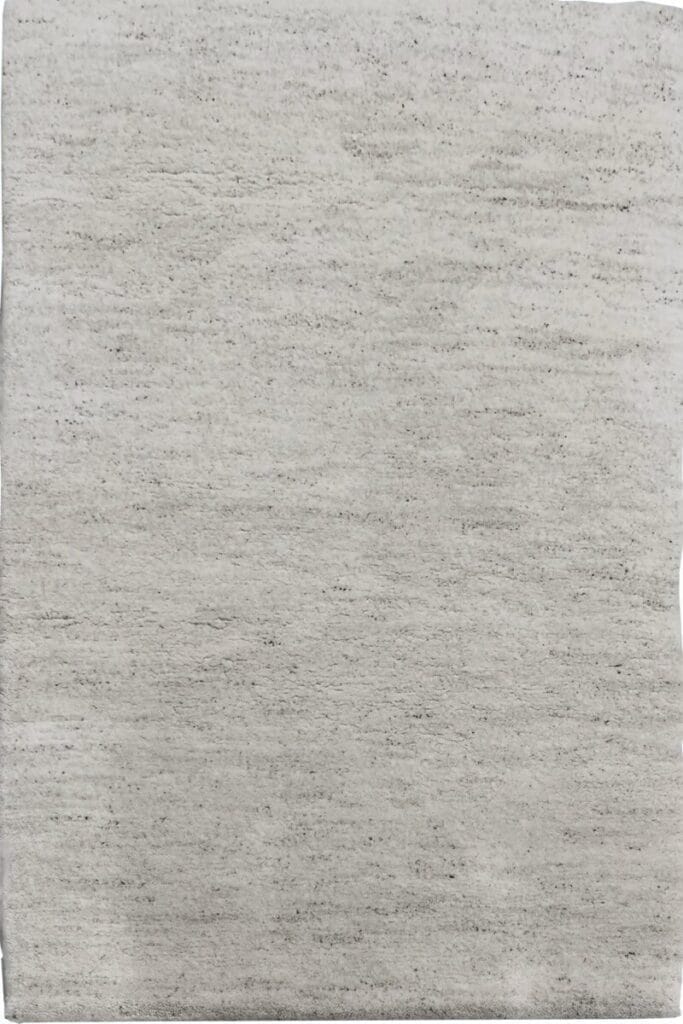
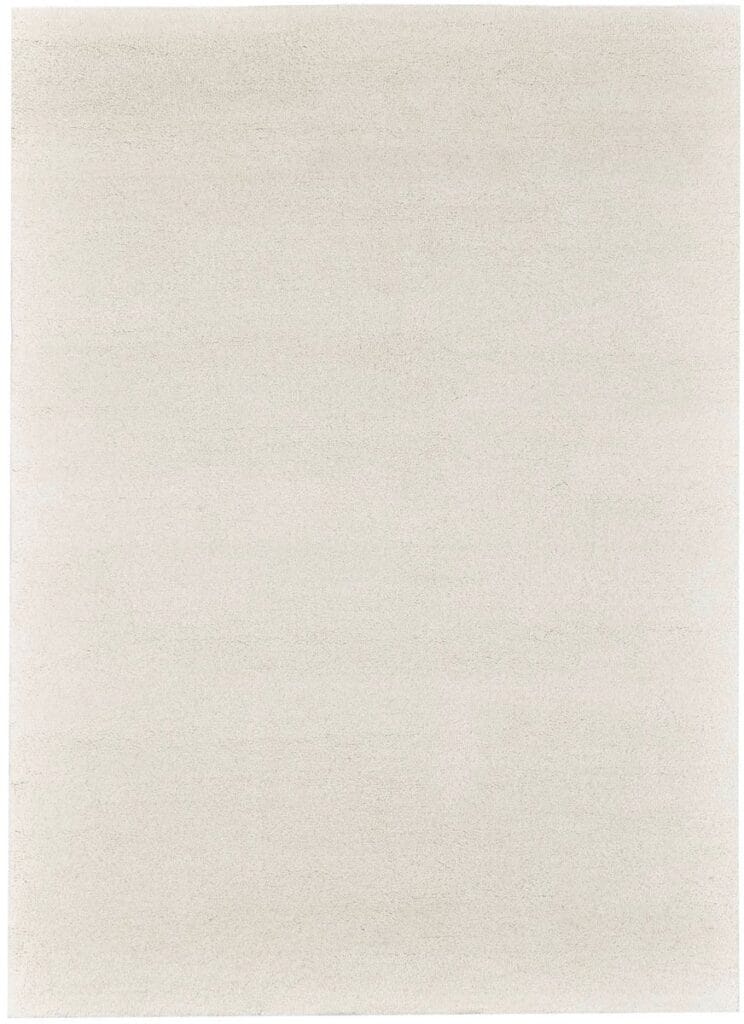
Handmade wool kilim rug, available in different sizes.
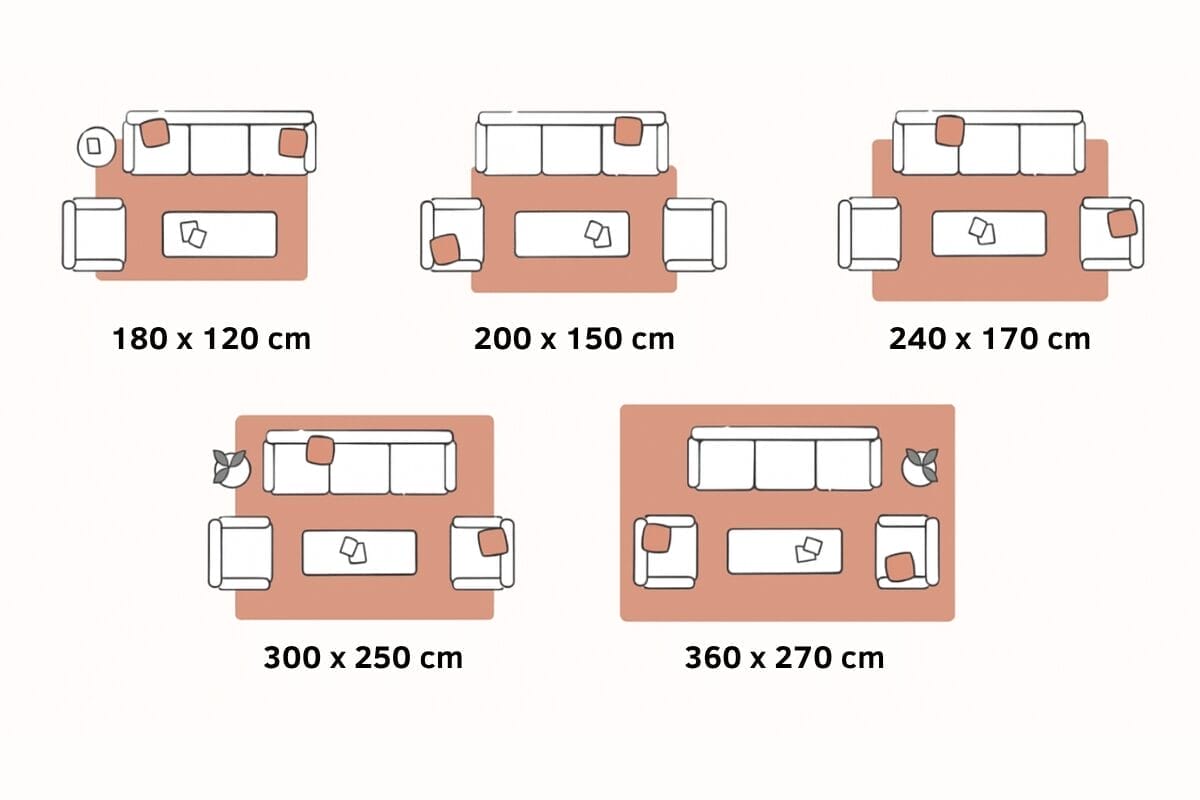
Kelim rug – six different sizes available 170x240cm, 200x250cm 200x300cm and 250x300cm.
Please note: the rugs are handmade and therefore never have exactly the same dimensions (for example, a rug is 242×177 instead of 240×170).